Tangible Interfaces Design Studio
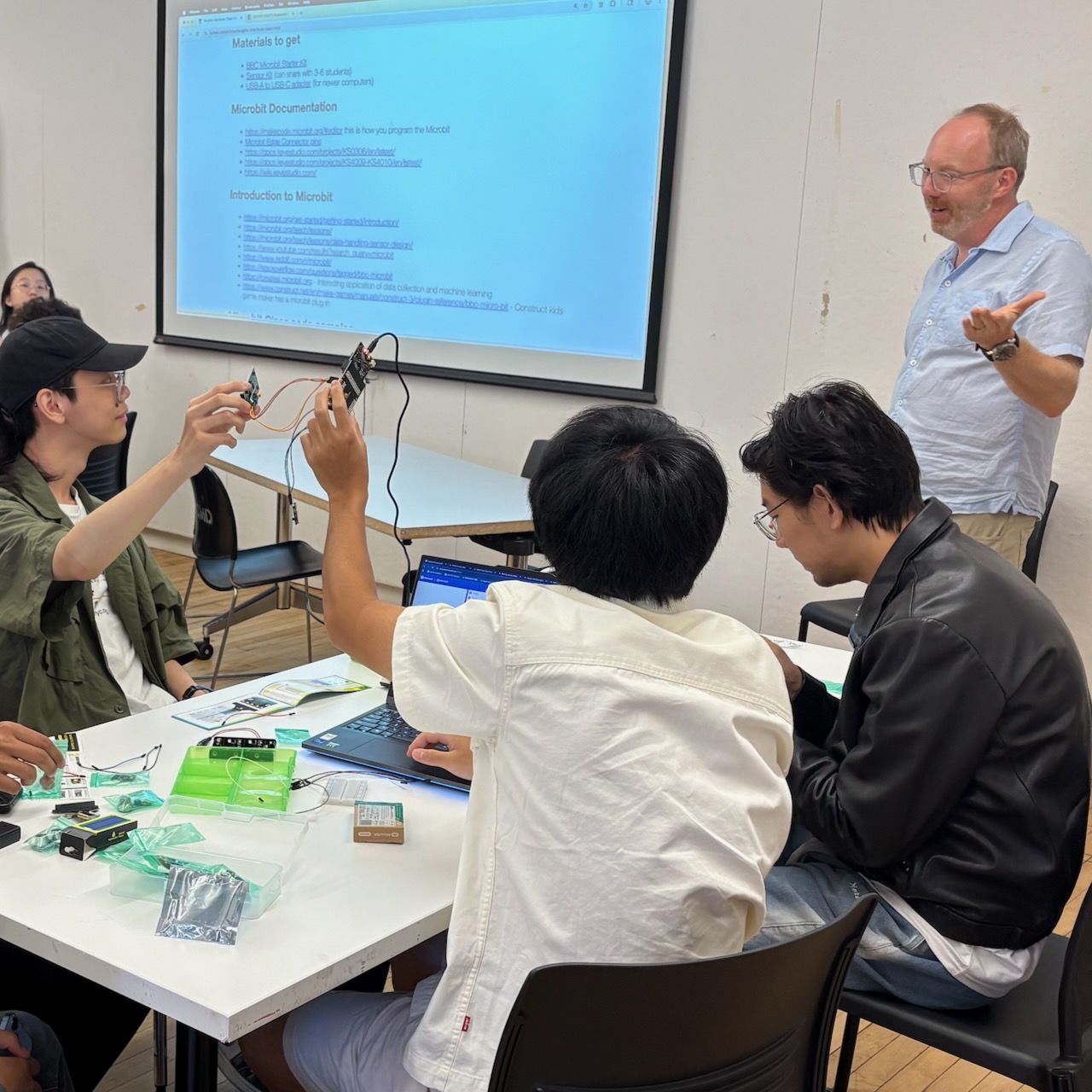
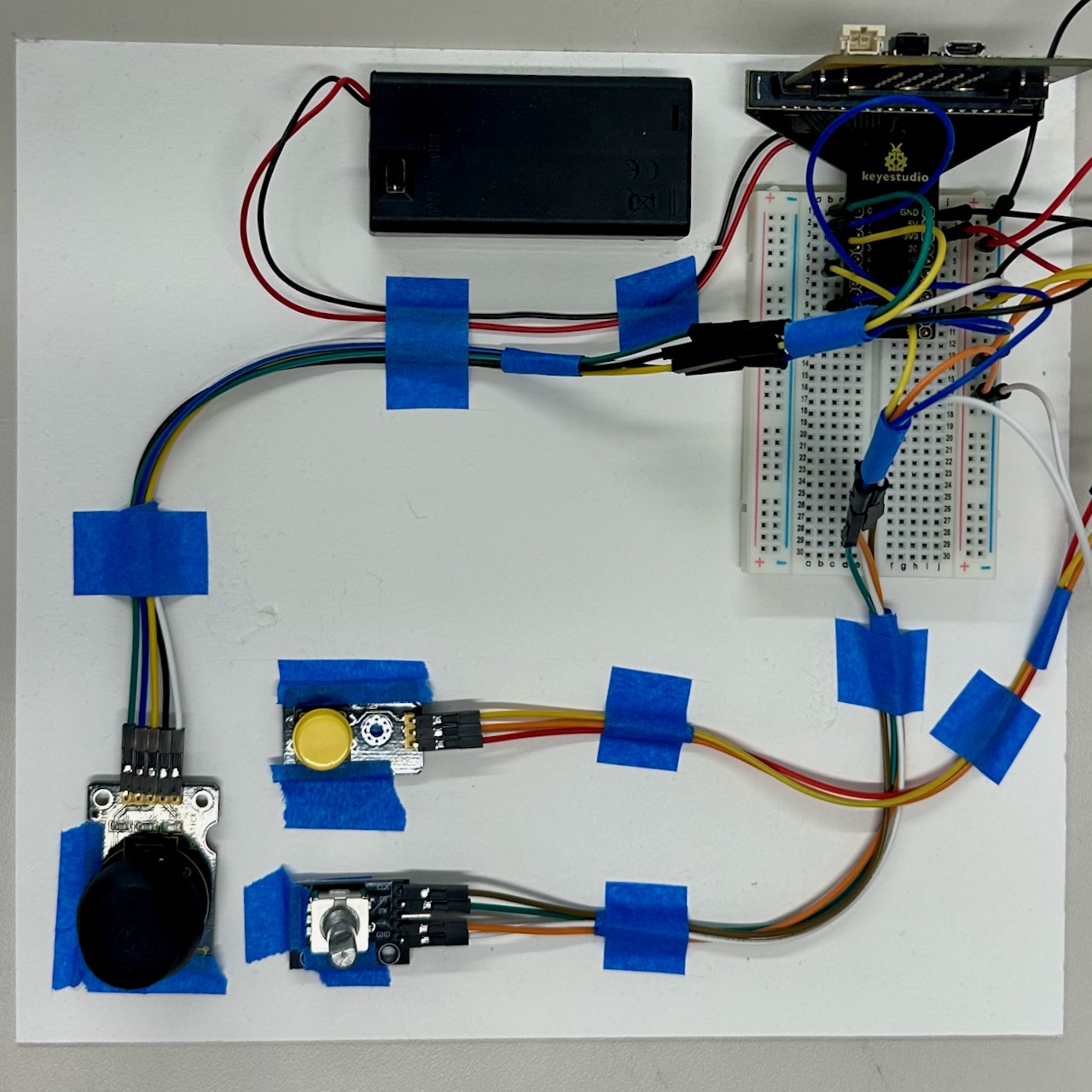
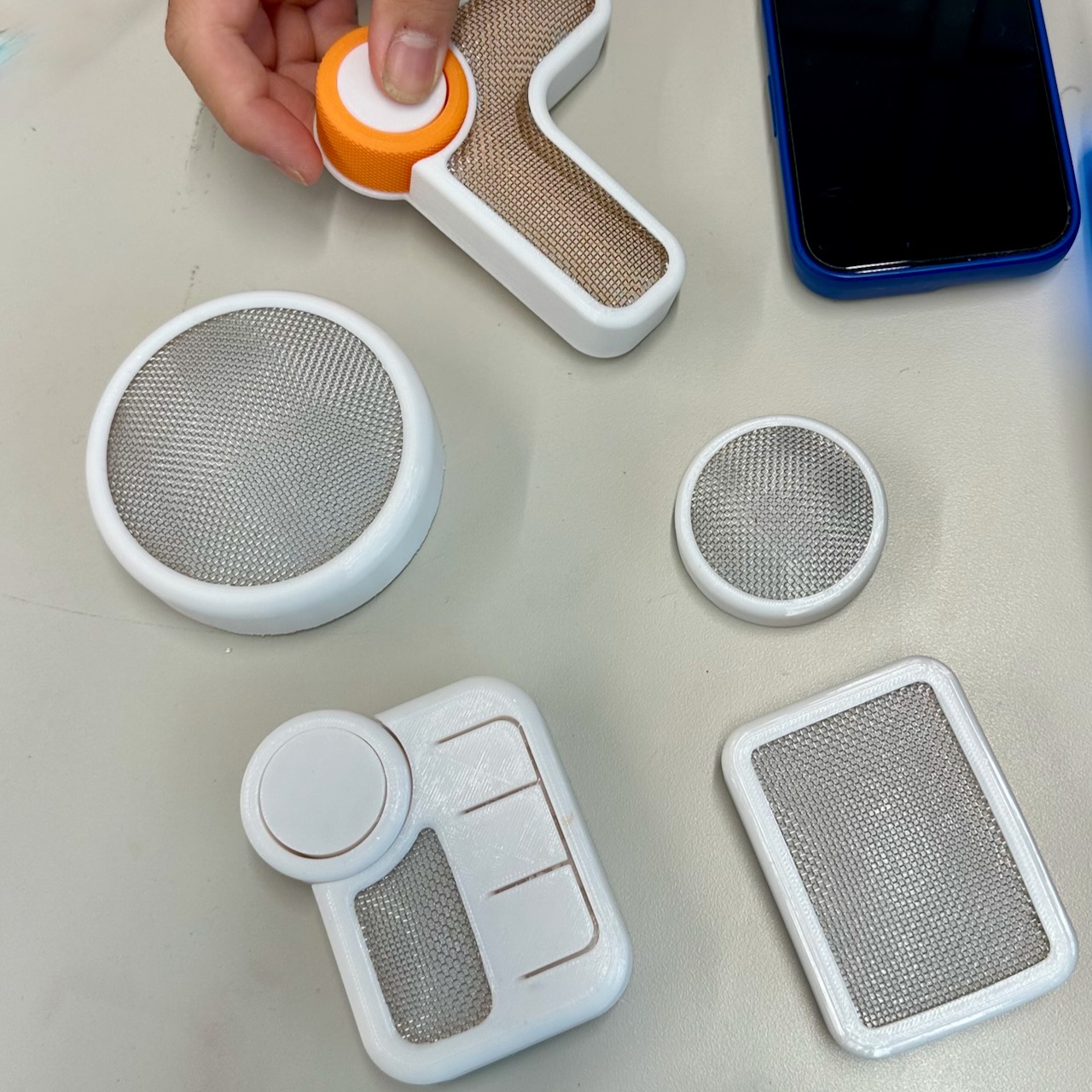
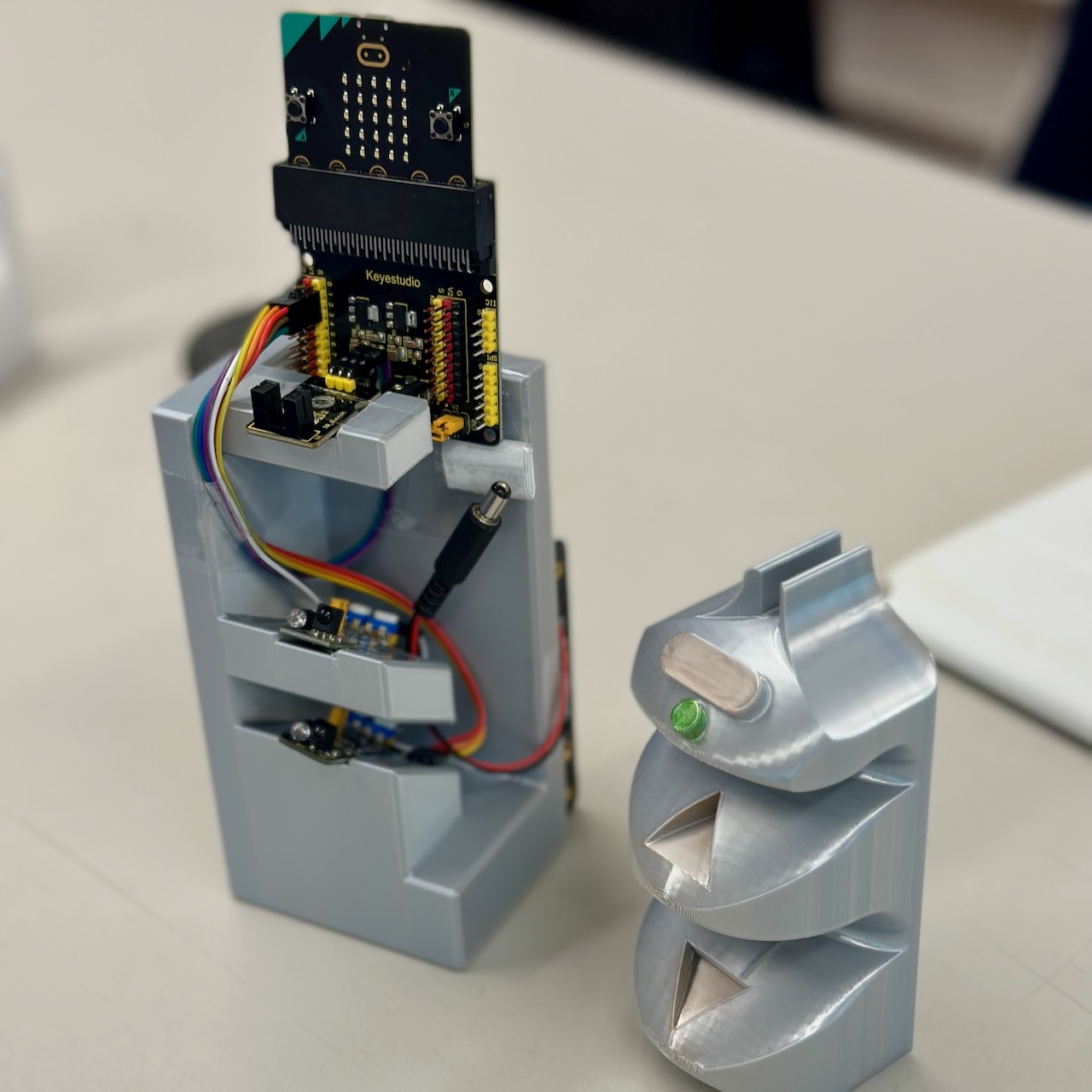
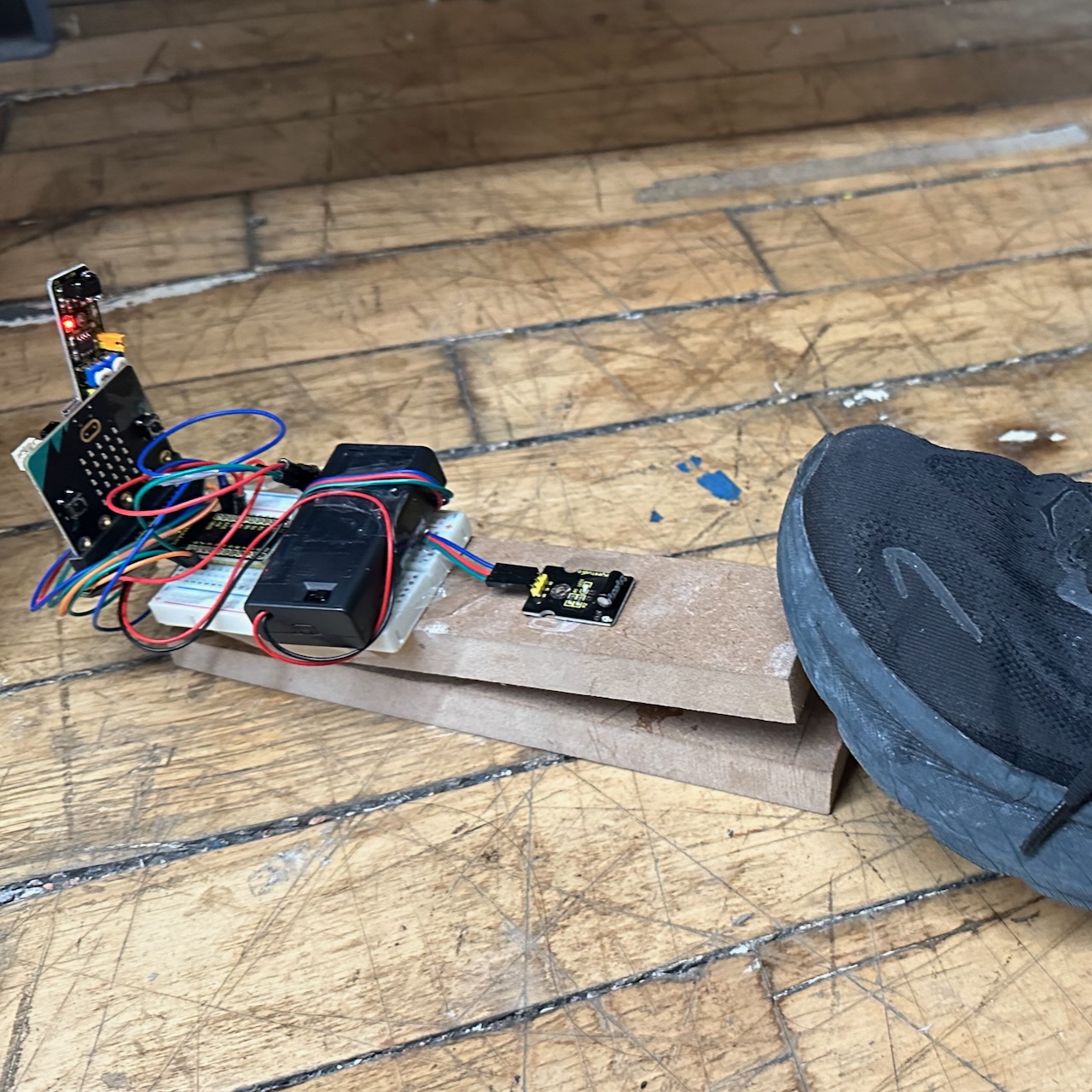
Photos of student work used with permission.
Course Description
Tangible Interfaces, an Industrial Design studio at Pratt Institute created by Steve Turbek, explores the powerful intersection of physical and digital interaction.. Software is eating Industrial Design, transforming formerly distinct consumer products into undifferentiated apps on featureless glass rectangles. This homogenization is also an opportunity for industrial designers to differentiate their designs with embodied interaction. The student will research, design, and user test an interactive product. Previous projects have included a custom game controller, portable music player, a smart bee keeping hive, and an electronic personal safety device for women. Students will build a working prototype using skills learned in the class; no experience with electronics and programming is expected.
Reference Website: tangible.turbek.com
This course challenges the dominance of screen-based interfaces by investigating how tactile experiences, mechanical feedback, and multisensory engagement create more intuitive, satisfying, and safer human-machine relationships. Students will discover that the elimination of physical controls is not merely an aesthetic issue but a safety concern—research demonstrates that touchscreen-based automotive interfaces require drivers four times longer to perform simple tasks compared to well-designed physical controls. This represents a critical market gap where thoughtful industrial design can provide genuine competitive advantage and meaningful product differentiation.
The course emphasizes hands-on prototyping that merges basic electronics with thoughtful industrial design principles to create interfaces that respond to natural human capabilities across the full spectrum of our senses: touch, sight, sound, position, orientation, and even chemical detection. Students develop skills in user research, sensory design, physical computing, and rapid prototyping while examining how tangible interfaces enhance safety, accessibility, and emotional connection to products.
Students will work with the BBC Microbit, an accessible yet powerful microcontroller platform, combined with 3D modeling and printing to create functional “works like” prototypes alongside refined “looks like” models. No previous experience with electronics or programming is required—the course is structured for novice learners who bring curiosity and design thinking.
The course positions physical product design not as a nostalgic retreat but as a forward-looking strategy for creating products that are safer, more emotionally resonant, and commercially differentiated in an increasingly homogeneous marketplace. Students will develop professional portfolio work demonstrating their ability to design interactive experiences that exist beyond the screen.
Key Projects
Design a Fidget Toy (Week 1-2)
Why do fidget toys feel good? Research and design “interesting to feel” fidget toys.
Music Remote Control (Week 3-5)
Design Brief: Design and make a working object that can control music/video on your laptop or phone
Submarine Cockpit (Week 6-15)
The final team design project is to design and prototype controls for the next generation of personal submersibles.
Course Schedule
The fall section focuses on prototyping handheld or wearable devices; spring focusing on interactive spaces and vehicles, such as the submarine project.
Week 1 Introduction to class objectives, discussion of Tangible Interface product design opportunities and student topic selection process. Homework: Purchase of materials, find and print a fidget toy from a 3D marketplace.
Week 2 Review homework. Discuss: What makes a good fidget toy? What is tactile beauty? Intro to programming Microbit — basic logic, how to use AI tools, connecting buttons and LEDs. Refine topic proposals discussing viability, users, stakeholders, potential experts, and project schedules with instructor approval of final selections.
Week 3 Introduction to sensors and analog measurement: joystick, distance sensor, etc. Presentation of student’s selected design problem with approximately 10 slides supporting problem definition and outlining methods to research and test solutions.
Week 4 Prepare mapping diagram of problem, users, environments, existing products, and end user issues along with early 2D sketches and ideation directions.
Week 5 Class visit / professional development session with designers who are working in the field.
Week 6 Present research update, expert feedback, and stakeholder findings with approximately 10 slides defining at least three design directions (one-on-one scheduled discussions).
Week 7 Further iteration of proposed directions with early stage prototypes illustrating works-like, feels-like, or functions-like concepts.
Week 8 Present evidence of expert, user and stakeholder contact, summarize findings affecting design intent and identify unseen problems and discoveries.
Week 9 Present updated prototype development resolving problems identified in previous prototypes.
Week 10 Present continued prototype development addressing remaining issues and refining design solutions.
Week 11 Prepare preliminary drafts for final prototype and presentation including storyline, image organization, research synthesis and expected outcomes.
Week 12 Update user journeys, stakeholder and expert validation on design development and prototype trials (one-on-one scheduled discussions).
Week 13 Present near-final or completed prototypes outlining remaining steps and timeline for final prototype completion.
Week 14 Rehearse final presentations and present draft process book consolidating complete project story, research and outcomes.
Week 15 Final presentation of completed Tangible Interface prototypes with comprehensive documentation.
Student Learning Outcomes
- Understand the strategic value of tangible interfaces in contemporary product design
- Design and prototype functional interactive objects that combine physical and digital elements
- Select and implement appropriate sensors and actuators for specific interaction design goals
- Apply user experience research methodology to physical product development
- Create refined physical prototypes using CAD modeling and 3D printing
- Evaluate interface designs for safety, accessibility, and usability
- Communicate design rationale through professional presentations and documentation
- Understand the relationship between physical affordances and user behavior
- Navigate technical constraints while maintaining design intent
- Produce professional portfolio documentation of design process and outcomes
Evaluation Criteria
Projects will be evaluated based on:
- Design quality and aesthetic refinement
- Technical execution and prototype functionality
- User research and validation methodology
- Iteration and process documentation
- Presentation and communication skills
- Innovation and creative problem-solving
- Understanding of interaction design principles
- Professional documentation and portfolio development
Required Materials
- BBC Microbit & Sensor Kit
- Access to 3D modeling software (Fusion 360, Rhino, or similar)
- Access to 3D printing facilities
- Basic hand tools and prototyping materials