A Tangible Talk with Deren Güler of Teknikio
Interview conducted August 31, 2026
For my forthcoming book, Designing the Tangible Interface, Deren Güler of teknikio was kind enough to speak with me!

Deren Güler is the founder and CEO of Teknikio, an educational electronics company building NSF-funded STEM toolsets and coding platforms. A scientist, researcher, and designer by training, Güler has spent over a decade at the intersection of hardware development, curriculum design, and participatory research. She is a Part-Time Assistant Professor at Parsons School of Design, a Lecturer at Columbia University Teachers College, and Director of the Master’s in Creative Computing at Shifta by Elisava. Previously, Güler co-founded FatCatFabLab, a community fabrication workspace in New York City. She was named to the New York Times “30 Under 30” list and received the Brooklyn Fashion and Design Accelerator Fellow of the Year award. She is the author of Crafting Wearables: Blending Technology with Fashion and several peer-reviewed papers.
How has teaching informed your product design strategy? Do you have a favorite product in the lineup that is the most ’tangible’?
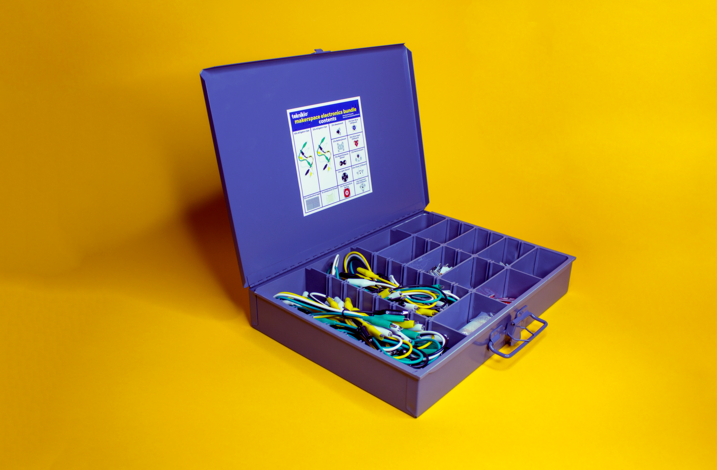
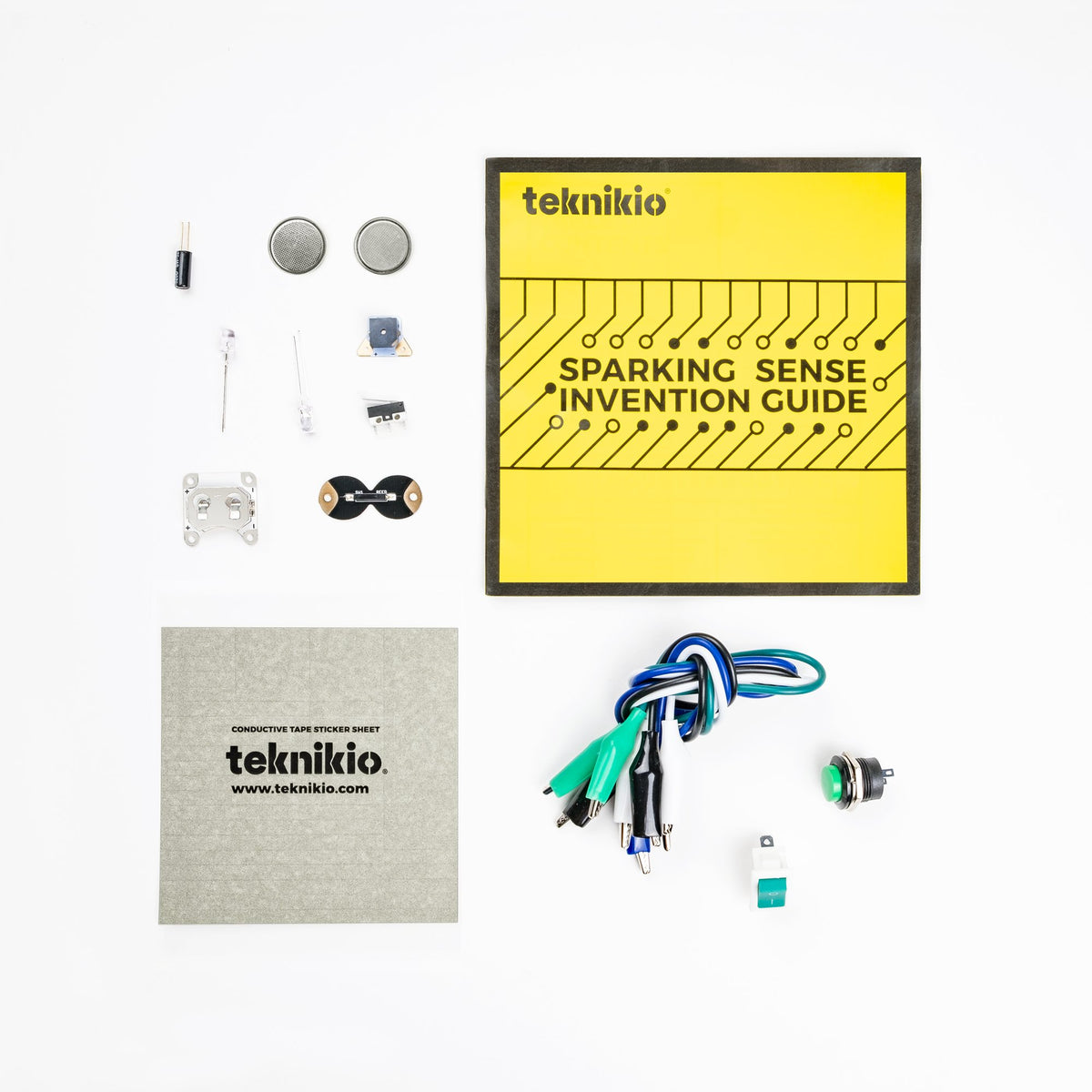
As I make an educational product the user experience is that of a learner and a teacher, in a sense I have 2 customers. So teaching helps me see the perspective of the teacher and understand where the instructions, or guides that I am offering for the teacher might fail or be in adequate. The teachers might be looking for something that is really easy to follow and demonstrate, while they want the students to grapple and think critically about what they are making. So there is a challenge here to hit both levels of critical thinking and engagement. I think my favorite project is the Sparking Sense kit because it’s just a bunch of basic components and alligator clips and you can mix and match them in so many ways. Most people gravitate towards a product that has a clear output like the origami kit but the Sparking Sense is more open ended.
Teknikio’s kits let people embed electronics into fabric, paper, and everyday objects rather than a dedicated enclosure. What did you have to unlearn from traditional product design to make “material-agnostic” electronics actually work?
I actually don’t have a background as a product designer so I am not sure I really unlearned. Traditional electronics are designed to be easy to plug and play which is how the breadboard was invented. But the breadboard is a stiff object, and not very material agnostic. I wanted to keep the pricepoint low and I wanted to stress the idea of parts in a toolbox that can be re-used. So really I think this reusability helped design something that was material agnostic. They kind of go hand in hand.
 Tangible interfaces for kids need to survive rough handling and unpredictable use. What’s a failure from user testing that changed a core part of a kit’s design?
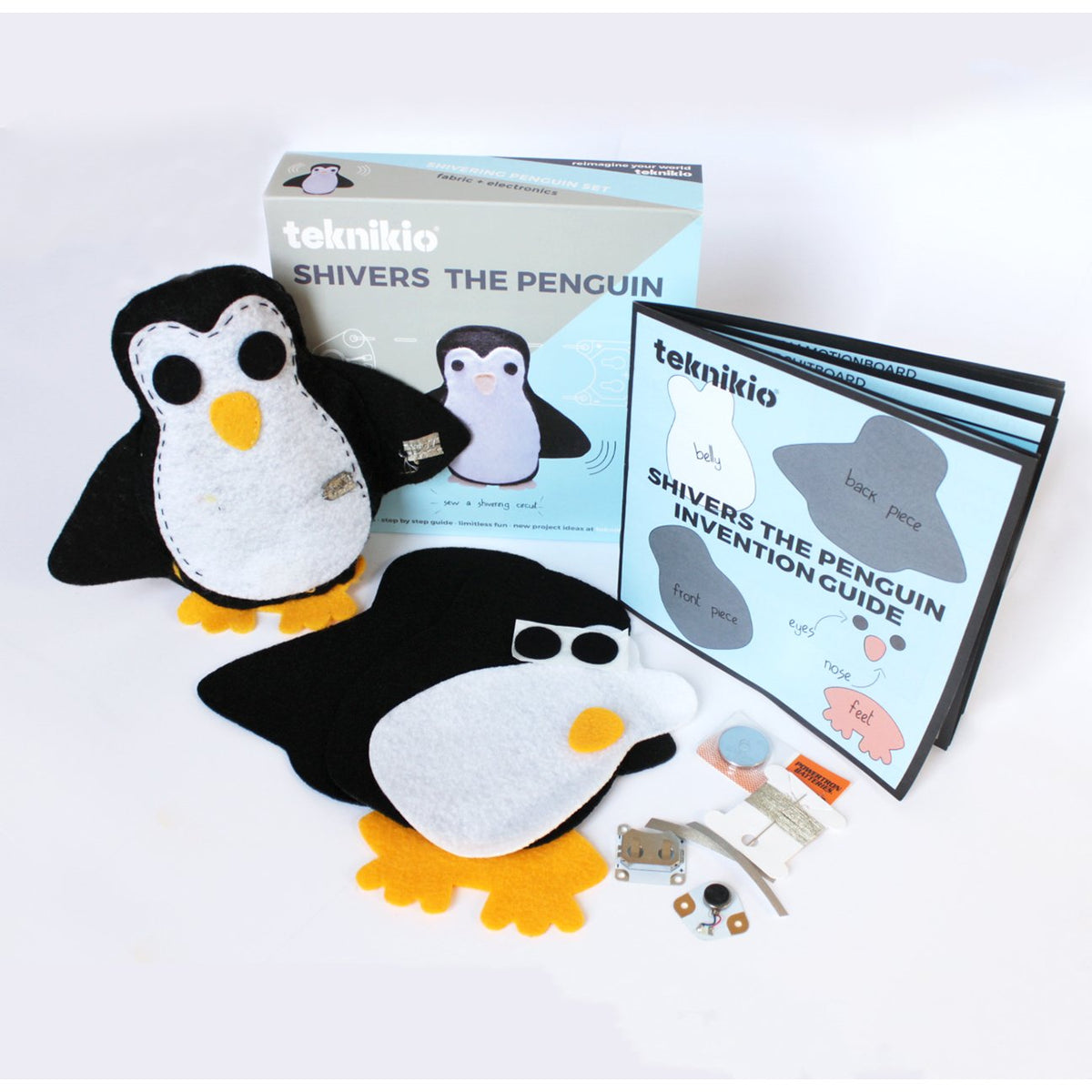
I think the instructions are where I have changed things the most, and the order of operations, watching what kind of shortcuts people try to take. For example I remember I was teaching a sewing workshop and the kids just wanted to tie knots and not sew across the fabric and then i realized if they really wanted they could use conductive fabric tape and then just sew at the ends. So things like this, giving options based on time and unfortunately attention span which I think is decreasing in this digital native age compared to when I was younger.
 How do you calibrate the balance between open-ended, exploratory play and enough structure that a kid (or a teacher) doesn’t get stuck or give up?
I think I start with something quick and try to be clear about levels. It can be hard to balance the aha moment with the pride of I made this and invested time and effort and it works. The second one I can’t really calibrate for as much as hope for. Often it’s just about making the example end project cool enough that they will have the patience to get there.
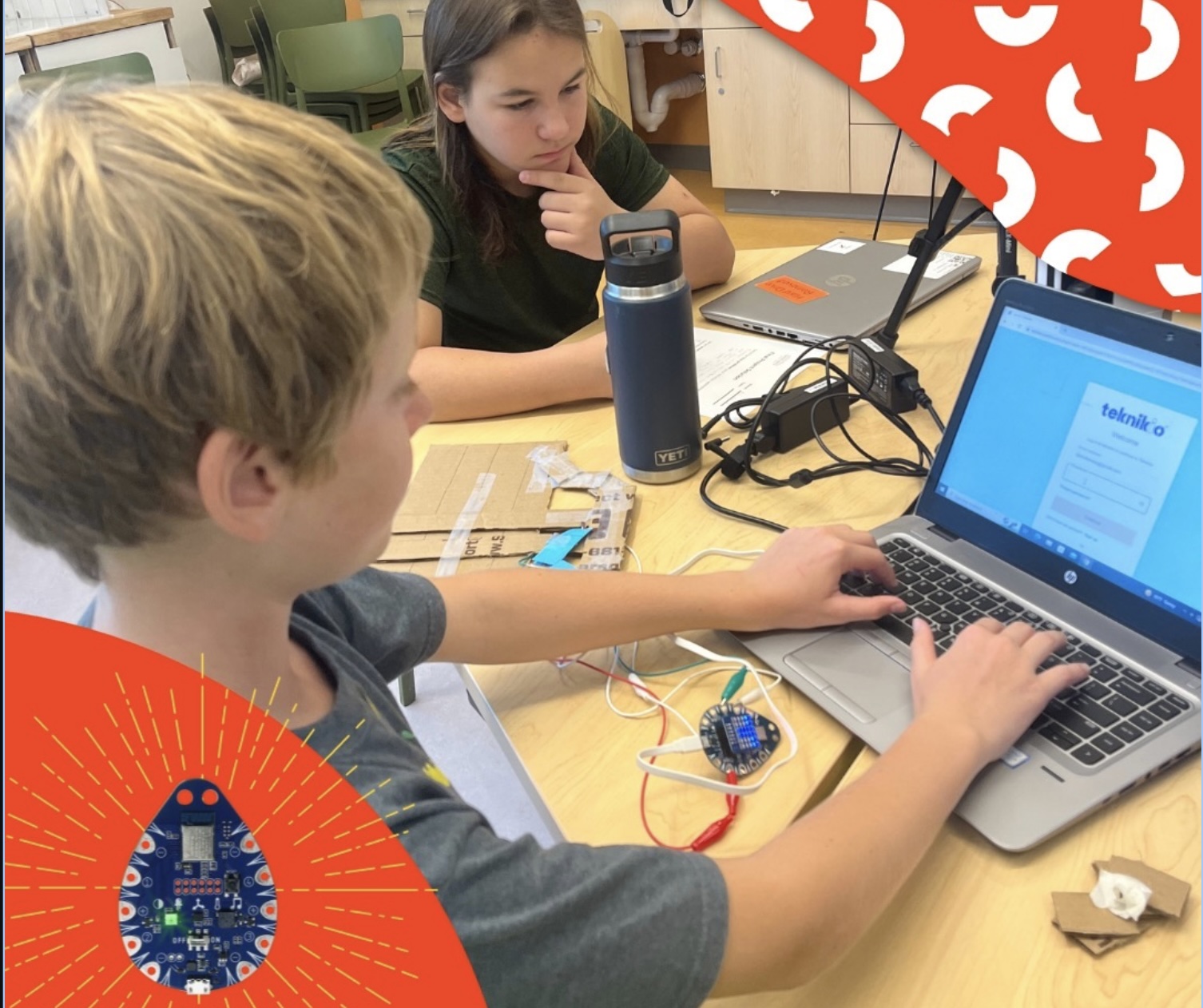
You went from physics into a design master’s — what was the hardest translation between those two ways of thinking, and did anything from physics turn out to be surprisingly useful in tangible interface design?
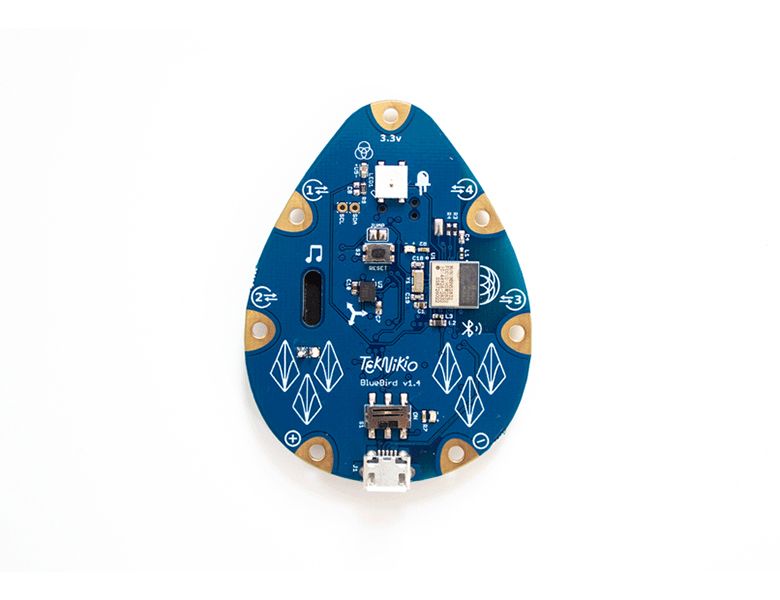
Lots of things! I think I am a hands-on person. I like to understand and see things visually and this can be true of building a circuit or writing out math equations. I think for me this connection is really starting to happen with the Tekniverse- using all kinda of data, realtime sensor data, streaming data, historic data, and then interpret it into something. For a scientist this might be a proof or a graph or a model that explains what is happening. For a tangible interface it’s pretty much the same but expressed more simply ( or colloquially) and maybe it doesn’t have to be a solution or proof- it’s just offering a representation which could spark an idea or solution. I think the goals are not that different, it’s just a decision about where you want it to go in the world.
Watching architecture/design grad students struggle with Arduino is what sparked Teknikio. What specifically did their confusion look like — was it the code, the wiring, the abstraction of “circuit,” or something else?
It was the translation of code to wiring, like plugging something into pin 9 on an Arduino and then having the example code that says pin 2, and not understanding the issue. This is when I realized that they weren’t really following what was happening and I thought it might be better if they had an analog experience first. For example if they know the light should turn on and what it looks like, maybe they will be more curious to troubleshoot because they know that it works and it must just either be a wiring or code issue. I saw this a lot with STEM kits as well, it’s hard to troubleshoot and stay engaged when you don’t know if the stuff actually works and it’s easy to assume something is broken or that you are just “can’t” do it.
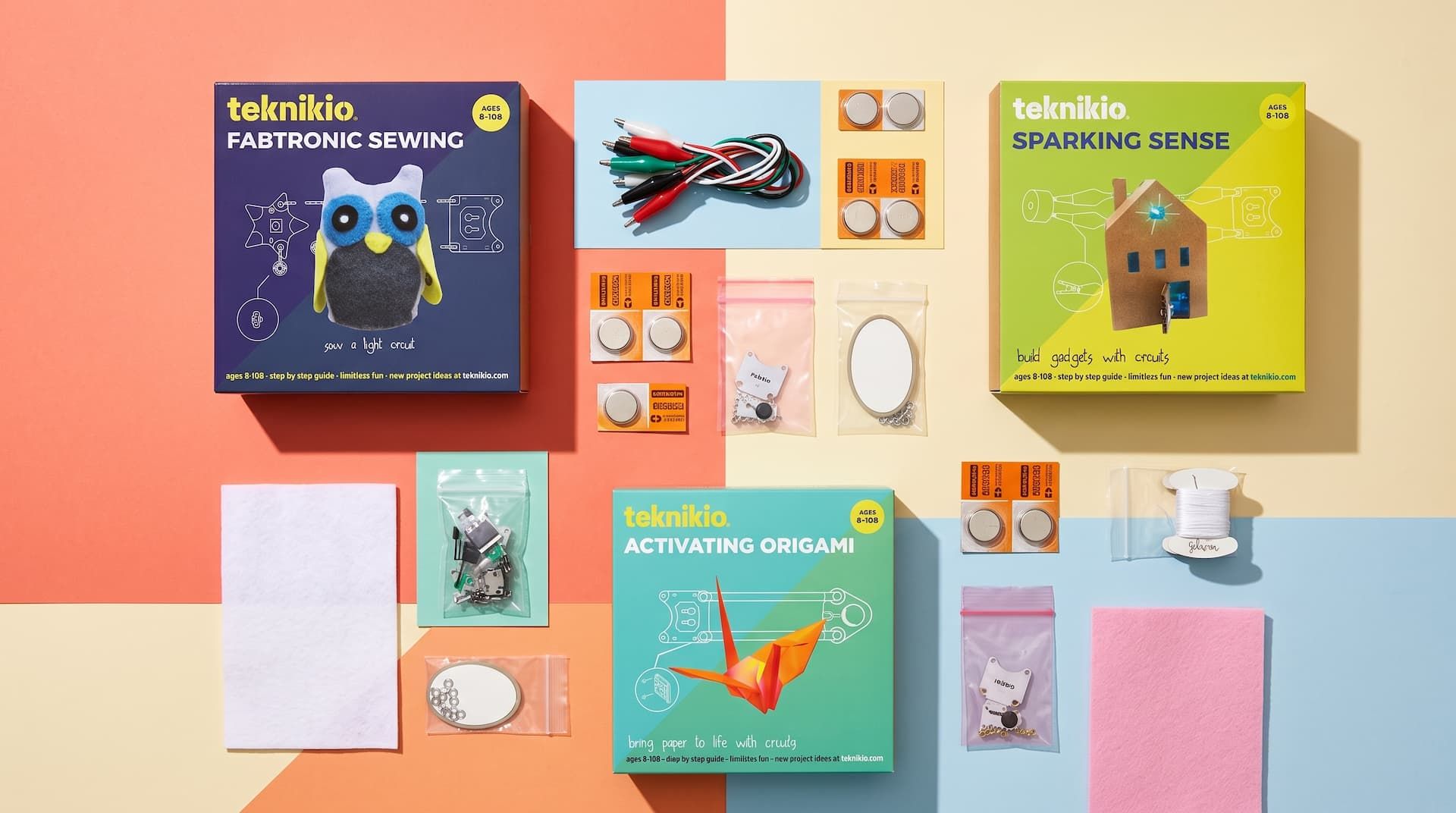
You built Teknikio around being gender-neutral rather than “for girls” — steering away from pink-and-sparkles STEM marketing. What design decisions (form, color, packaging, instructions) actually moved that needle, versus ones that didn’t?
I think trying to pick gender neutral colors is necessary just because there is so much pink and blue washing out there. At least when it’s a different color people don’t automatically categorize it in their mind or on a store shelf. Honestly I don’t think the activities matter as much as they are fairly open ended and just making little animals or toys but unfortunately a lot of parents hesitate when it comes to something like buying a sewing kit for a little boy. I think this has gotten better over the years, and I’ve learned again often it’s a double layer of designing for the parents and the kids, and I try to design for the kids and hope they can convince their parents :)